
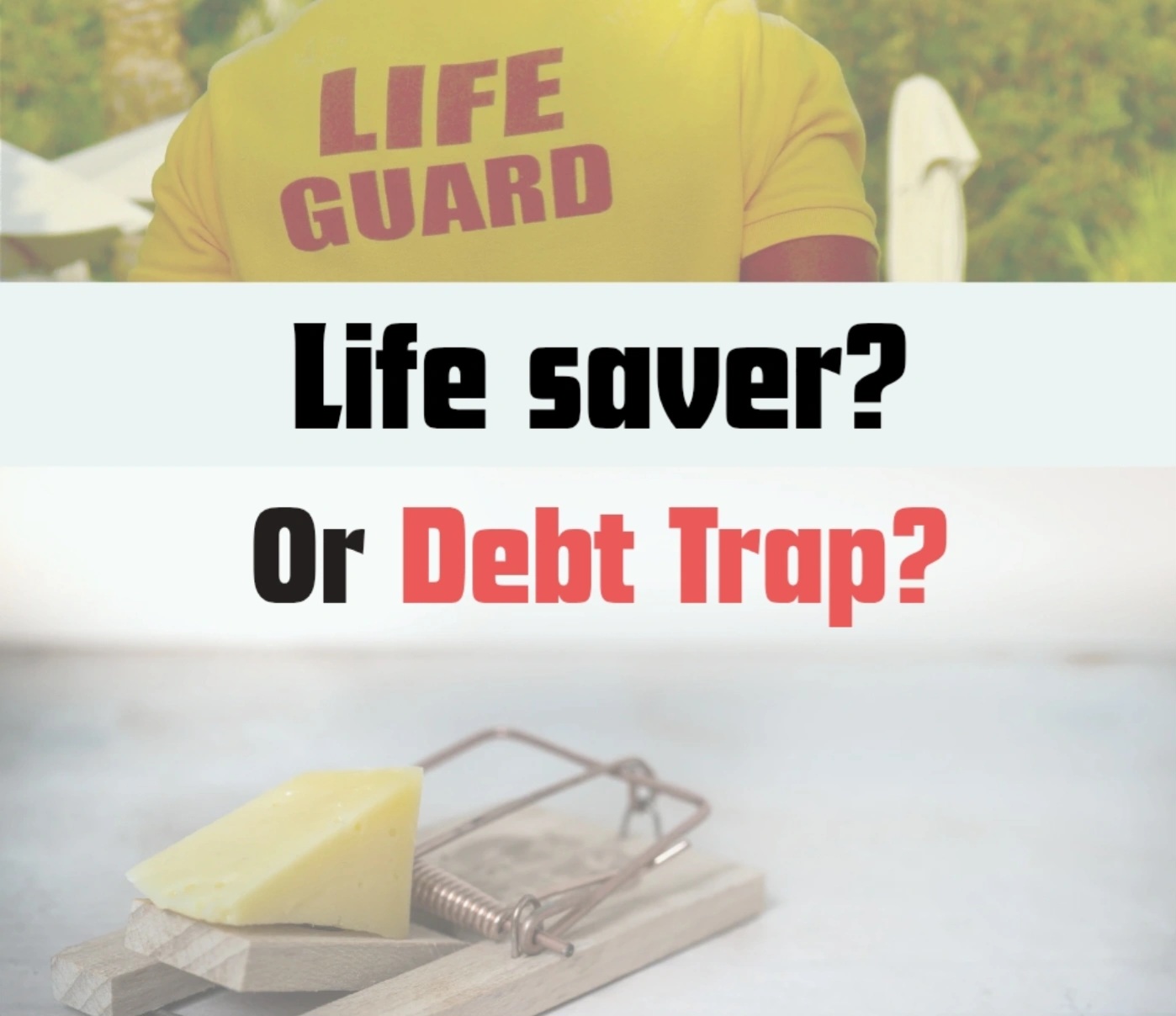
Buy Now, Pay Later (BNPL) was marketed as a way to make spending managable. It provided a way to split payments, manage big purchases, and avoid credit card interest. But somewhere along the way, it has changed from being a financial tool and became a debt trap.
The scariest part? People aren’t just using BNPL services like Klarna, Afterpay, and Clearpay for big purchases such as furniture or electronics anymore.
They’re using Buy Now Pay Later to buy fast food.
Yep, you read that right. DoorDash, Uber Eats, Deliveroo. All on installments.
This isn’t just an unconventional spending trend. It’s a warning sign of a much deeper financial crisis affecting millions of people who are one missed payment away from financial chaos. All for the sake of cheeseburgers and chicken wings.

How Buy Now Pay Later Went From Convenience to Crisis
BNPL companies have marketed themselves as “interest-free” and “budget-friendly” alternatives to credit cards. The pitch was simple: split your purchase into manageable chunks minus the APR (annual percentage rate) fees traditional credit cards charge.
But those small installments stack up faster than most people realize.
The BNPL Psychology That Hooks You:
No credit check required – Easy approval encourages overspending without awareness of the consequences.
You don’t feel the pain of spending – Money can become abstract when it’s not leaving your account instantly.
The first payment is tiny – A few dollars feels manageable, even if the total price is $70.
You convince yourself you’ll “handle it later” – But later arrives quicker than you expect, especially when multiple payments start to stack up.
If you’ve used Klarna or Afterpay five times in one week across different retailers and food delivery apps, you don’t see the debt building in real-time. Then, suddenly your entire paycheck disappears paying off last month’s meals, groceries, clothes, and other impulse purchases.
The problem isn’t the initial BNPL purchase. It’s the tenth one that is made before the first one is even paid for.

The Rise of Paying for Fast Food in Installments
When people are using PayPal Pay in 3 or Klarna for DoorDash, it’s not only about recklessness- it’s also a financial strain made invisible by technology.
A decade ago, if you couldn’t afford a $22 takeaway, you simply didn’t order one. Today, BNPL removes that spending barrier completely.
Using BNPL for takeaways shows a deeper societal issue:
Inflation is hitting harder than wages – The cost of living is higher than monthly income, but our daily needs don’t disappear. Cash flow struggles are daily, not monthly. People are finding themselves without enough money between paychecks to cover basics.
Instant gratification beats budgeting – Immediate relief feels easier than meal planning or cooking. However, BNPL makes spending feel “not real”, which creates a psychological distance from the actual dollar cost.
Sure, a $22 takeaway paid over three installments might feel harmless in the moment. But if you’re doing that four times weekly, you’re eating $88 worth of meals disguised as tiny payments.
But, here’s something that most people miss: when you’re using BNPL for food, you’re not actually building anything. You’re taking something that literally disappears within 20 minutes of consuming it and putting it on finance for months.

The Psychological Trap: “Future Me Will Handle It”
BNPL companies understand the connection between human behavior and economics better than most consumers understand their own spending habits. On the surface, they’re selling flexibility. But, if you dig a little deeper, they’re actually selling financial avoidance.
The Internal Dialogue That Keeps You Trapped:
✔ “It’s only $6 today”
✔ “I’ll have more money next week”
✔ “I deserve a treat after the day I’ve had”
✔ “Everyone uses this. It’s completely normal”
✔ “I’ll just use it once and then stop”
Then, future-you always ends up having less money than expected, especially when half your paycheck is already allocated to purchases you made two weeks ago.
This is called temporal discounting. Our brains are wired to prioritize immediate rewards over future consequences. BNPL companies exploit this cognitive bias masterfully.
The result? You’re constantly robbing future-you to feed present-you, creating a cycle where you’re perpetually broke despite having a steady income.

The Real Cost of BNPL: Mental Health and Money Stress
Buy Now Pay Later debt creates unique psychological pressures that traditional credit card debt doesn’t, primarily because of how fragmented and invisible it becomes.
Why BNPL Debt Feels Different (and Worse):
Payments scatter across multiple apps – It’s hard to track your total debt when it’s split between Klarna, Afterpay, Clearpay, and PayPal.
Notifications blend into everyday noise – Payment reminders get lost among social media alerts, work emails and group chats.
Small payments cause disproportionate stress – Your brain treats each small payment as a separate financial obligation.
You fall behind without realizing – The absense of a single “credit card bill” forces you to confront your total spending.
Late fees compound quickly – Miss one $7 payment and suddenly you owe $17 with penalties.
This creates a persistent, low-level financial anxiety that many people feel is worse than traditional debt: “What payment is due next? Have I already paid that? How much do I actually owe?”
This is not money management. You’re managing chaos across multiple platforms, each with different payment dates, amounts, and penalties. A study by the National Library of Medicine shows that financial stress impacts sleep quality, work performance, relationships, and overall mental health. The fragmented structure of BNPL exponentially amplifies this.
BNPL Normalizes Spending Money You Don’t Have
The biggest long-term danger of BNPL is that it makes it culturally and psychologically normal to spend money you don’t have on things you don’t actually need.
Previous generations had natural barriers that prevented overspending. You needed to have cash in hand or a sufficient bank balance, credit cards required approval and overdrafts came with obvious penalties. BNPL removes any friction and shame, which makes deficit spending feel like smart money management.
Food Delivery: The Perfect BNPL Storm
Food delivery is the worst possible use case for BNPL because it combines every psychological vulnerability:
Emotional spending– this could be for comfort, stress relief, or convenience.
Impulsive decision-making– you can place an order in under 2 minutes.
Tied to basic needs– hunger feels urgent and non-negotiable.
Removes all friction– there is no “Do I really have the money for this?” moment.
Prevents learning alternatives– home cooking becomes progressively harder when you know you can just hit a few buttons on your phone instead.
Creates dependency– you can get caught in a cycle. The more you use it, the harder it is to stop.
It is easily done to spend $200-300/month on takeaways without ever feeling like that amount was spent at once. The money disappears in small increments that feel manageable until your bank account is completely empty.

The Hidden Costs No One Talks About
Beyond the obvious financial drain, BNPL for everyday spending creates secondary costs:
Skill Degradation: The more you use food delivery services, the less you cook at home, which makes cooking feel harder and more intimidating over time.
Opportunity Cost: That couple hundred bucks per month on financed takeaways could be used for an emergency fund, debt repayment, or investments for your future.
Relationship Strain: Financial stress can bleed into relationships, and BNPL debt is particularly hard to explain or justify.
Future Credit Impact: While BNPL companies don’t always report to credit bureaus, missed payments eventually do get reported, and creating a pattern of deficit spending affects future borrowing.

How to Break the BNPL Cycle: 5 Practical Steps
You don’t need to feel embarrasment or shame. You need a strategy that will address both the practical debt and the psychological patterns keeping you trapped in the cycle.
1. List Every BNPL Payment You Currently Have
Do not estimate this. Open every app and write down the total amount owed, payment due dates, number of installments remaining and any late fees or penalties outstanding. Seeing the balance as one number creates necessary clarity. Many consumers underestimate their total BNPL debt due to its fragmented nature.
2. Delete BNPL Apps for 30 Days (Minimum)
Remove Klarna, Clearpay, Afterpay, and PayPal from your phone completely. This creates vital friction at the point of purchase. If you are required to enter your card details manually, you’re more likely to pause and reconsider placing an order.
3. Create a Weekly Takeaway Budget (Even If It’s Small)
You don’t need to quit eating takeaways entirely. You just have to stop financing them. Set aside a realistic cash limit you can actually afford. Start with $10-20/week if needed. You are only human so the goal isn’t perfection; it’s about breaking the dependency on BNPL.
4. Build a “Quick Meal” System You Actually Enjoy
It’s easier to avoid ordering food when your fridge offers tasty and convenient options. Prep 3-5 meals you can make in under 15 minutes that you actually enjoy eating. You don’t have to become a Michelin star chef (I am not!). It’s about having quicker, cheaper alternatives that feel accessible when you’re tired at the end of a long day.
5. Pay Off Smallest Installments First (Debt Snowball)
Do not try to fix everything overnight. Clear your smallest debts first so the monthly payment pressure drops quickly.
This creates a psychological momentum and makes the debt feel more manageable.
Moving Forward: Break Free From Buy Now Pay Later Debt
BNPL itself isn’t inherently evil. However, using it for everyday spending demonstates a deeper societal problem: a cash flow crisis marketed as convenience. The solution isn’t willpower. It’s creating systems that make it easier to make better financial decisions instead of worse ones.
You deserve to have financial stability, clarity, and control, not survive in constant stress about tomorrow’s payments for yesterday’s meals. Your money should make life easier, not trap you in a debt cycle for things that disappear after 20 minutes.
The first step is awareness. The second is action. The third is building habits that make BNPL unnecessary.
Start today. Future-you will thank yourself for it.
Leave a Reply